

The Number I Did Not Know I Had
She was twenty-six years old. She had been a customer in our marketplace for years. She always paid for her groceries in cash, never on credit. She did not have a credit card. She had never taken a loan. She had never missed a payment, because she had never owed anyone anything.
On the day she came to my office, she was in tears.
She had applied to rent a small apartment. A modest one. The kind with one bedroom, a small kitchen, a window that looked out onto a quiet street. She had a steady job. She had saved two months of rent for the deposit. She had a reference letter from her employer.
The landlord had turned her down. Not because of her income. Not because of her deposit. Not because of her reference.
Because of a number she did not know existed. Her credit score. Or rather, the absence of it.
She had no credit history. No record. No file. In the eyes of the credit system, she was invisible. She had done everything right. She had paid for everything in cash. She had avoided debt. And the very system that was supposed to measure her financial worthiness could not see her at all.
I will never forget the look on her face. Not anger. Confusion. The confusion of a person who had followed the rules and been punished for it.
That day, I learned something I had not fully understood before. The credit score is not a measure of how good you are with money. It is a measure of how good you are with debt. And if you have never had debt, the system has no way to know whether you would handle it well. So it assumes the worst.
I want to write this article for her. And for everyone who has ever been turned down for an apartment, a job, a loan, a phone plan, an insurance policy, because of a number they did not understand and were never taught to build.
If you have searched for “how to improve your credit score,” you are in the right place. This is the article I wish someone had handed that young woman in my office. Slowly, honestly, with real numbers, real research, and a real path forward.
What Is a Credit Score, Really? — Credit Score Ranges Explained

Let us begin with the basics, because most of the fear around credit scores comes from not understanding what they are.
A credit score is a number. Just a number. It is a three-digit number that lenders use to predict how likely you are to pay back money you borrow. The number is calculated from your credit history, which is a record of how you have handled debt in the past. If you have never had debt, you have very little credit history, and the score is low or does not exist at all.
The most common credit score in the United States is the FICO Score. It ranges from 300 to 850. The higher the number, the better, in the eyes of a lender. Here is how FICO itself, and major credit reporting agencies like Experian, break down the ranges 12.
Excellent: 800 to 850. Very Good: 740 to 799. Good: 670 to 739. Fair: 580 to 669. Poor: 300 to 579.
Another model, called VantageScore, uses a similar range. Equifax reported in March 2024 that the average VantageScore in the United States was 705 3. FICO reported in October 2024 that the average FICO Score was 717 4. Experian reported in 2026 that the average was 713 5. Pick whichever number you like. The story is the same. The average American is somewhere in the “Good” range, just above the line that separates good from fair.
Why This Number Matters More Than You Think — How Your Credit Score Affects Your Life
Here is what most people do not realize. Your credit score does not just decide whether you get a loan. It decides how much you pay for almost everything.
A landlord checks it before renting you an apartment. A utility company checks it before deciding whether to charge you a deposit. A cell phone company checks it before giving you a phone plan. An employer, in many states, can check a version of it before hiring you. An insurance company checks it before setting your car and home insurance rates.
Let me put a number on that last one. The advocacy group United Policyholders has reported that a person with a low credit score pays about 42.6 percent more for home insurance than a person with a high credit score. On a typical premium, that works out to about $465 a year 6. Five years of that is over $2,300. Just for having a lower score. Not for being a worse customer. Not for filing more claims. Just for having a lower number on a file you cannot see.
Working Credit, a nonprofit that teaches financial skills, has documented what bad credit costs in interest alone. People with no credit or bad credit are charged higher interest on every loan, and some predatory lenders charge rates of 400 percent to 1,000 percent 7. I want to repeat that number. Four hundred to one thousand percent interest. That is not a typo. That is what being broke and unbanked actually costs, in real dollars, every year.
If you are reading this article, you probably already know, in a vague way, that your credit score matters. What I want you to understand is how much it matters, and how quietly it costs you money you cannot afford to lose.
A person with a low credit score pays about 42.6 percent more for home insurance than a person with a high credit score. That is $465 a year. Just for having a lower number on a file you cannot see.
What Your Credit Score Is Made Of — FICO Score Breakdown

If you want to improve your credit score, you first have to know what it is made of. The FICO Score is built from five pieces. Here they are, in order of how much each one matters. The percentages come directly from FICO itself, and are confirmed by myFICO, Fidelity, Credit Karma, and ESL Federal Credit Union 891011.
Piece One: Payment History (35 Percent) — Why Paying Bills on Time Is the Most Important Factor
This is the biggest piece. More than a third of your score. It is the answer to one question. Have you paid your bills on time?
Every payment you make on a credit card, a loan, a mortgage, a student loan, gets recorded. Every late payment gets recorded too. The later the payment, the more it hurts. A payment that is thirty days late hurts. A payment that is ninety days late hurts much more. A payment that goes to collections hurts for years.
The lesson here is the simplest one in this article. Pay your bills on time. Every time. If you cannot pay the full amount, pay the minimum. If you cannot pay the minimum, call the lender before the due date and ask for help. A missed payment you talked about in advance is very different from a missed payment that just disappears into silence.
Piece Two: Amounts Owed (30 Percent) — Credit Utilization Ratio Explained
This is the second biggest piece. It is also the most misunderstood. It is not about how much you owe in total. It is about how much you owe compared to how much credit you have available. This is called your credit utilization ratio.
Here is how it works. If you have a credit card with a $1,000 limit, and you owe $900 on it, your utilization is 90 percent. That is very high. The credit scoring system sees a person almost maxed out, and it worries. If you owe $100 on the same card, your utilization is 10 percent. The system sees a person using credit carefully, and it rewards them.
The general rule, taught by NerdWallet, Bankrate, and the CFPB, is to keep your utilization below 30 percent 1213. Below 10 percent is even better. So if you have a $1,000 limit, try to keep your balance below $300. If you can, below $100. The lower, the better.
There is a trick to this that most people do not know. You can lower your utilization in two ways. Pay down the balance. Or ask the bank to raise your credit limit. Either way, the ratio improves. The second option does not cost you anything. Many banks will raise your limit if you simply ask, especially if you have been a customer in good standing.
Piece Three: Length of Credit History (15 Percent) — Why Older Accounts Help Your Score
This piece is about time. How long have you had credit? The longer, the better. The scoring system wants to see a track record, not a sprint.
This is why closing old credit cards can hurt your score, even if you do not use them anymore. When you close an old account, you shorten the average age of your credit history. The card you opened in college, even if you have not used it in five years, is doing quiet work for your score just by existing. Think twice before you close it.
This is also why starting early matters. The earlier you open your first credit account, the longer your history will be when you actually need a strong score, like when you apply for a mortgage. If you are young and have no credit, this is your permission slip to start. Today. Quietly. Carefully. But today.
Piece Four: Credit Mix (10 Percent)
This is a smaller piece. The scoring system likes to see that you can handle different kinds of credit. A credit card. A car loan. A student loan. A mortgage. The mix matters less than payment history or utilization, but it matters. If you have only ever had one kind of credit, the system has less information about you, and so it gives you a slightly lower score.
Piece Five: New Credit (10 Percent) — Hard vs. Soft Inquiries
Every time you apply for new credit, the lender pulls your report. This is called a hard inquiry. A single hard inquiry has a small effect. But if you apply for five credit cards in a single month, the system gets nervous. It looks like a person who is about to take on a lot of new debt, possibly because they are in financial trouble.
The lesson. Apply for credit only when you need it. Space out your applications. And know that when you check your own credit report, which is called a soft inquiry, it does not affect your score at all. You can check your own report as often as you like. In fact, you should.
How to Build Credit From Nothing — For Beginners With No Credit History
Now we come to the part most articles skip. What if you have no credit at all? What if you are the young woman from the start of this article, with no file, no record, no score, and no idea where to start?
The Consumer Financial Protection Bureau, in a 2015 report, found that about 26 million adults in the United States were “credit invisible,” meaning they had no credit record at any of the three major credit bureaus. That is about one in ten adults. Another 19 million had records too thin to score 14. Updated research in 2025 revised the credit invisible figure to about 13.5 million adults, or 5.8 percent of the adult population, but the problem remains real and large 15.
If you are one of those people, here is the good news. You can build credit from nothing. It is not fast. It is not glamorous. But it is possible. And the path is well-documented. Here are three real ways to begin.
Way One: The Secured Credit Card — How to Build Credit With a Secured Card
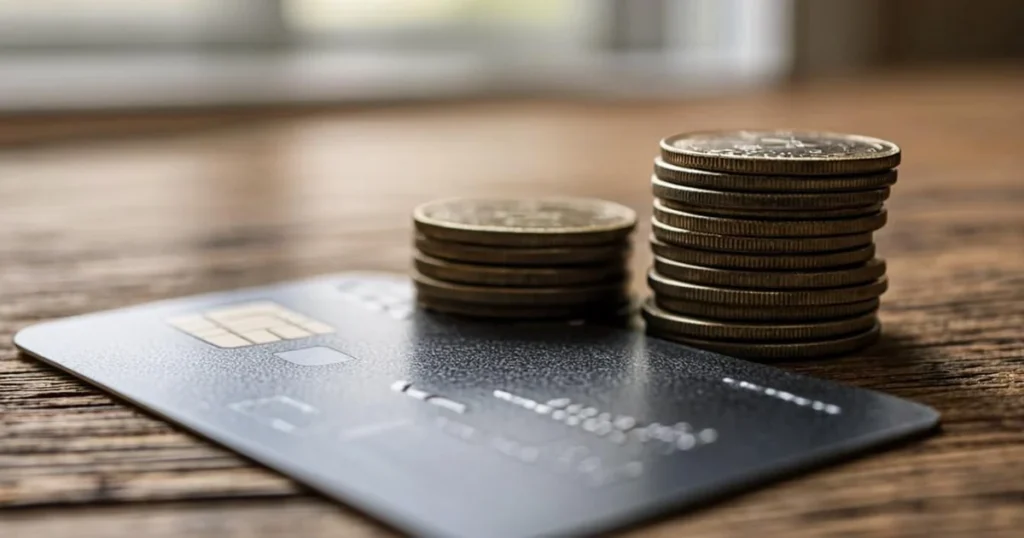
A secured credit card is the most common starting point. It works like a regular credit card, with one difference. You put down a deposit, usually $200 to $500, and that deposit becomes your credit limit.
If you cannot find the extra $200 for a secured card deposit, the next move may be earning more. Read how to earn extra money when you cannot spend any less.
The bank holds the deposit as security. You use the card, you pay the bill, the bank reports your payments to the credit bureaus. Over time, usually six to twelve months, a score begins to appear.
The Federal Reserve Bank of Philadelphia published a study in 2016 by researcher Lukas Santucci that looked at secured cardholders over time. The findings were clear. Keeping a secured card account open was correlated with improved creditworthiness. About 67 percent of secured cardholders saw their credit situation improve enough to graduate to an unsecured card 16.
Not all secured cards are equal. Look for one with no annual fee, or a very small one. Look for one that reports to all three major credit bureaus. Look for one that allows you to graduate to an unsecured card after a period of good behavior. The Consumer Financial Protection Bureau has guidance on choosing one 17.
Way Two: The Credit Builder Loan — CFPB Research on Building Credit
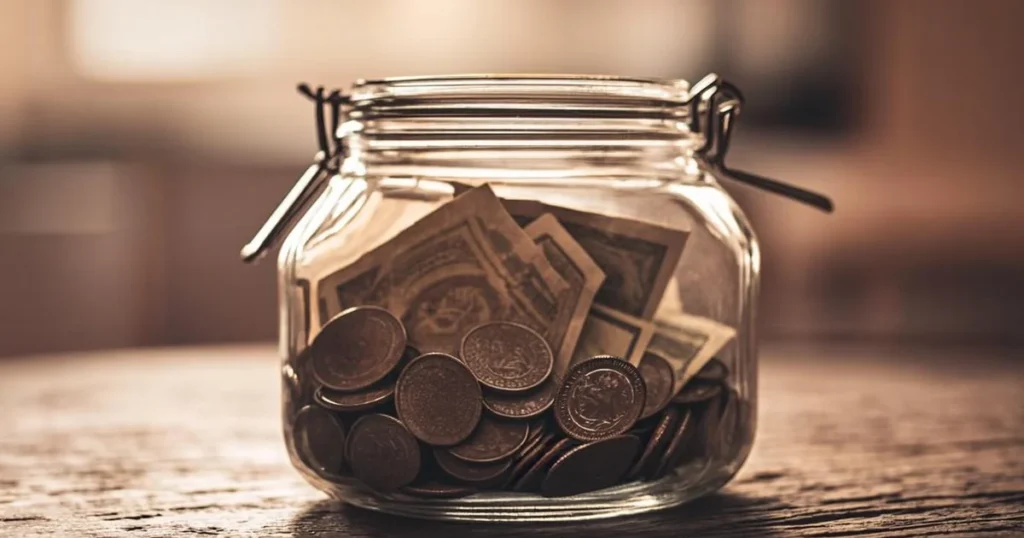
A credit builder loan is a strange and clever invention. It works backwards from a regular loan. Instead of getting the money up front and paying it back over time, you make the payments first, and you get the money at the end.
Here is how it works. You agree to a loan, say $500, with a credit union or community bank. The lender holds the $500 in a locked savings account. You make monthly payments, say $25 a month for twenty months. Each payment is reported to the credit bureaus as on-time payment history. At the end, you get the $500, plus any interest you earned on it.
The CFPB studied credit builder loans and found striking results. For participants who did not have a credit score when they started, opening a credit builder loan increased their likelihood of having a credit score by 24 percent. Participants without existing debt saw their credit scores increase by an average of 60 points. As a side benefit, participants ended up with an average of $253 more in savings 18.
For more on building savings from nothing, read how to start saving money when you feel broke. The credit builder loan does double work — it raises your score and grows your savings at the same time.
Sixty points. From a single small loan, paid back over twenty months. That is the difference, for many people, between being denied for an apartment and being approved.
Way Three: Become an Authorized User — Fastest Way to Build Credit
This is the fastest way to begin building credit, and it is often the easiest. If you have a family member, partner, or close friend with a credit card in good standing, they can add you as an authorized user on their account.
As an authorized user, you get a card with your name on it, linked to their account. You can make purchases. The account’s payment history gets added to your credit report, as if it were your own. If the primary cardholder has a long history of on-time payments and a low utilization ratio, your score can rise quickly, sometimes within a few months.
Capital One’s research, published in 2026, found that people who are authorized users typically have a credit score of 680 or above 19. The arrangement works because the credit scoring system treats the account history as if it were partly yours. You do not need to use the card. You do not need to spend any money. The history alone does the work.
There is a catch, and it is important. If the primary cardholder misses payments or runs up the balance, that negative history goes on your report too. Choose the person carefully. And make sure you both understand the arrangement before you begin.
Adding yourself to someone else’s card is a real conversation, not just a transaction. Read how to talk about money with the people you love before you ask.
How to Fix a Bad Credit Score — 5 Steps to Repair Your Credit
Now the harder case. What if you already have credit, but it is bad? What if your score is in the fair or poor range, and you are trying to climb out?
The Experian data is clear. About 16 percent of Americans have a FICO score below 580, which is the very poor range. Another 17 percent are in the fair range, 580 to 669 20. That means about one in three Americans has a credit score that is below good. You are not alone. And the situation is not permanent.
Here is the path out. Five moves, in order of how much they matter.
Move One: Pull All Three Credit Reports and Read Them — How to Get Your Free Credit Report
Before you do anything else, you have to look. The Fair Credit Reporting Act gives every American the right to one free credit report each year from each of the three major bureaus. Experian, Equifax, TransUnion. The only official site is AnnualCreditReport.com, which is authorized by federal law and recommended by the FTC 21.
Pull all three. Read them. Look for errors. Studies have found that a meaningful percentage of credit reports contain mistakes. A debt that is not yours. A late payment that was actually on time. An account you closed that is still showing as open. A collection that should have fallen off years ago. The CFPB has a clear guide on how to dispute errors [22]. Do this first. It costs nothing and can move your score quickly if the error was significant.
Move Two: Get Current on Every Account — Recover From Missed Payments
If you have missed payments, get current as fast as you can, and stay current. The CFPB is blunt about this. “If you’ve missed payments, get current and stay current. Most credit scores consider repayment history as the number one factor” 17.
A single late payment can hurt your score for up to seven years. But the older it gets, the less it hurts. And a string of on-time payments, starting today, builds a new pattern that slowly overtakes the old one. The scoring system forgives people who recover. It does not forgive people who stay stuck.
Move Three: Bring Down Your Credit Utilization — Fastest Way to Raise Your Score
This is the move that produces the fastest visible improvement. If you are maxed out on your credit cards, your score is being dragged down hard, every single month, regardless of whether you pay on time.
The fix is simple to describe and hard to do. Pay down the balances. Or ask for credit limit increases. Or do both. Get your total utilization below 30 percent. If you can, get it below 10 percent.
If impulse buying is part of why your cards are maxed out, read why we buy things we don’t need. Understanding the want is half the work of bringing the balance down.
Many people see their score jump 20 to 50 points in a single billing cycle just from this move.
I wrote about the math of paying down debt in the fourth article on Savvy Broke, called The Quiet Emergency. If your credit card debt is what is keeping your score low, please read that article next. The path out is the same path, whether you are trying to fix your finances or fix your score.
Move Four: Do Not Close Old Accounts — Keep Your Credit History Alive
This is the move that surprises people. If you finally pay off a credit card you have had for years, your first instinct may be to close it. To be done with it. To never look at it again.
Do not close it.
Closing an old account shortens the average age of your credit history. It also lowers your total available credit, which raises your utilization ratio, even if you have not added any new debt. Both of these things hurt your score.
Instead, keep the card open. Use it once every few months for a small purchase. Pay it off in full. This keeps the account active, the history alive, and the score supported.
Move Five: Wait — How Long Negative Items Stay on Your Credit Report
This is the move that no one wants to hear. The credit scoring system rewards time. Time since your last late payment. Time since your last application. Average age of your accounts. Time since the negative item appeared on your report.
Most negative items stay on your credit report for seven years. A Chapter 7 bankruptcy stays for ten 22. There is no legal way to remove accurate negative information before it falls off naturally. Anyone who tells you they can, for a fee, is almost certainly running a scam. The FTC has warned about credit repair scams repeatedly 21.
The good news is that time passes whether you worry about it or not. And the older a negative item becomes, the less it weighs on your score. The path out of bad credit is mostly the path of doing the right things consistently, and letting time do the rest.
How Long Does It Take to Improve Your Credit Score?
I want to be honest with you, because honesty is the only thing that actually helps in this conversation.
Building credit from nothing takes six to twelve months before you have a score at all. Moving a fair score to a good one takes another six to twelve months of consistent on-time payments and low utilization. Moving a poor score to a good one can take two to three years, especially if there are serious negative items like collections, defaults, or bankruptcy on the report.
That is the bad news. Here is the good news. The direction matters more than the speed. Every month you pay on time, the score moves slightly upward. Every month you keep your utilization low, the score moves slightly upward. The improvements are small individually. Over a year, they are large. Over three years, they can transform a financial life.
I have watched this happen with shopkeepers in our marketplace. A man who could not get a supplier to extend him credit in 2021 had a score of 580. He paid everything on time for two years. He kept his utilization low. He disputed one error. By 2023, his score was 710. He walked into the same supplier’s office, was offered terms without even asking, and walked out with the inventory he needed for the season.
Two years. From 580 to 710. From invisible, in the eyes of the credit system, to visible. That is what patience looks like, measured in a number.
What Not to Do — Credit Repair Mistakes to Avoid
I want to spend a moment on the mistakes that set people back, because some of them are well-meaning.
Do Not Pay for Credit Repair — Credit Repair Scams to Avoid
If a company promises to remove accurate negative items from your credit report for a fee, walk away. The FTC has cracked down on these scams repeatedly 21. There is no legal shortcut. The negative items will fall off on their own schedule. The things you can do, you can do yourself, for free. Dispute errors. Pay on time. Lower utilization. Wait. None of these require a paid service.
Do Not Open Many Accounts at Once
Each application is a hard inquiry. Multiple hard inquiries in a short period signal to the scoring system that you might be in trouble. Space your applications out. If you are rate-shopping for a mortgage or car loan, do it within a short window, usually 14 to 45 days, depending on the scoring model. Multiple inquiries for the same kind of loan within that window are usually treated as a single inquiry.
Do Not Obsess Over Small Fluctuations
Credit scores move up and down by a few points every month. That is normal. It does not mean you are doing something wrong. Look at the trend over six months, not the change from Tuesday to Wednesday. The system is designed to be looked at from a distance, not up close.
Do Not Forget Why You Are Doing This
A credit score is a tool. It is not a measure of your worth. It is not a grade on your character. It is a number that opens some doors and closes others, and it can be improved with patience and consistency. Treat it as a tool. Use it. Do not let it use you.
When Improving Your Credit Score Is Not the Right Priority
I want to be careful here, because I have learned over the years that the right advice depends on the moment.
When You Are in Active Financial Crisis
If you cannot pay rent this month. If you cannot buy food. If the lights are about to be turned off. Do not worry about your credit score right now. Worry about the food, the rent, the lights.
I wrote about this in the 6th article on Savvy Broke, called How to Stop Living Paycheck to Paycheck. If you are in active crisis, please read that article first. The credit score will wait. The children will not.
When You Are Carrying High-Interest Debt
If you are carrying credit card debt at 24 percent interest, your priority should not be optimizing your score. Your priority should be paying down that debt. The good news is that the two goals align. Paying down the debt lowers your utilization, which raises your score. So you can do both at once. But if you have to choose between making an extra credit card payment and opening a new credit account to improve your mix, choose the payment. Always choose the payment.
I wrote an entire article about getting out of credit card debt, the fourth on Savvy Broke, called The Quiet Emergency. If this is you, please read it.
When You Live Outside the United States
Most of the specific scoring systems, thresholds, and reporting rules in this article are based on the U.S. system. Other countries have their own credit reporting systems, and the rules differ. The principles, however, are the same everywhere. Pay on time. Keep borrowing low compared to your available credit. Build a long, clean history. Avoid applying for too much credit at once. Dispute errors on your report. Wait.
If you are outside the United States, find the equivalent of the Consumer Financial Protection Bureau in your country. Most have one. Look up your country’s credit bureau. Pull your report. Read it. The shape of the system is the same. Only the names change.
A Note on What I Cannot Tell You
I am not a certified financial planner, a credit counselor, or a licensed professional. I hold a degree in Commerce and have spent years managing real businesses and a marketplace with one hundred and fifty shops. But I do not have a license to give you personal financial advice. Everything in this article is shared for general information and education. If you are about to make a major financial decision, please speak with a qualified professional who can look at your specific situation. Many nonprofit credit counselors offer free or low-cost consultations. The CFPB can help you find one.
Frequently Asked Questions About Credit Scores ✓
These are the questions I am asked most often, by readers of the previous articles on Savvy Broke and by people I have met in the marketplace over the years. I will answer each as honestly as I can, with the same disclaimer I give everywhere on this site. I am sharing experience and research, not personal financial advice.
Q: What is a good credit score?
Under the FICO Score model, the most widely used in the United States, a good credit score is between 670 and 739. Excellent is 800 to 850. Very good is 740 to 799. Fair is 580 to 669. Poor is 300 to 579. The average FICO Score in the United States is around 717, which is in the good range. Most lenders consider anything above 670 to be acceptable for approving loans at reasonable rates.
Q: How fast can I improve my credit score?
It depends on what is hurting your score. If the problem is high credit utilization, you can see improvement within a single billing cycle, sometimes 20 to 50 points in a month, just by paying down balances. If the problem is missed payments or collections, the path is slower. Most negative items stay on your report for seven years, but their impact fades as they age. With consistent on-time payments and low utilization, most people see meaningful improvement within six to twelve months, and major improvement within two to three years.
Q: Does checking my own credit score hurt it?
No. Checking your own credit is called a soft inquiry, and it does not affect your score at all. You can check your own credit report as often as you like. The only kind of inquiry that affects your score is a hard inquiry, which happens when a lender pulls your report because you have applied for new credit. Even hard inquiries have a small effect, and they fade within a year.
Q: Can I improve my credit score without a credit card?
Yes, though it is harder. You can build credit through a credit builder loan, an authorized user arrangement on someone else’s card, or by having certain regular bills reported to the credit bureaus. Some services, called rent reporting services, will report your on-time rent payments to the credit bureaus. The CFPB has studied credit builder loans and found they can increase the likelihood of having a score by 24 percent for those starting without one, and raise scores by an average of 60 points for those without existing debt.
Q: What is the fastest way to raise my credit score?
If you already have credit cards, the fastest single move is to pay down your balances. Credit utilization, the ratio of what you owe to your credit limit, is 30 percent of your FICO Score. Bringing it from 80 percent to under 10 percent can produce a visible jump in a single billing cycle. If you cannot pay down the balance quickly, ask your bank for a credit limit increase. That lowers your utilization ratio without costing you anything. Either way, the goal is the same. Lower the ratio.
Q: How long do negative items stay on my credit report?
Most negative items, including late payments, collections, and defaults, stay on your credit report for seven years. A Chapter 7 bankruptcy stays for ten years. Chapter 13 bankruptcy stays for seven years. The impact of a negative item decreases as it ages. A late payment from six years ago hurts much less than one from six months ago. There is no legal way to remove accurate negative information before it falls off naturally. Anyone who tells you otherwise, for a fee, is almost certainly running a scam.
Q: Should I close a credit card I do not use anymore?
Usually, no. Closing an old credit card can hurt your score in two ways. It shortens the average age of your credit history, which is 15 percent of your FICO Score. It also lowers your total available credit, which raises your utilization ratio, which is 30 percent of your score. If the card has no annual fee, keep it open. Use it once every few months for a small purchase, then pay it off. If the card has a high annual fee and you do not use the benefits, then the calculation may be different. Talk to the bank about downgrading the card to a no-fee version instead of closing it.
Q: What is a credit builder loan and does it work?
A credit builder loan is a small loan where you make the payments first and receive the money at the end. The lender holds the loan amount in a locked savings account. You make monthly payments, which are reported to the credit bureaus as on-time payment history. At the end, you receive the money, plus any interest earned. CFPB research found that opening a credit builder loan increased the likelihood of having a credit score by 24 percent for those starting without one. Participants without existing debt saw their scores increase by an average of 60 points. They also ended up with an average of $253 more in savings.
Q: Does being an authorized user help my credit score?
Yes, if the primary cardholder has a strong history. When you are added as an authorized user on someone else’s credit card, the account’s payment history is added to your credit report. If the primary cardholder has a long history of on-time payments and a low utilization ratio, your score can improve within a few months. Capital One’s research found that authorized users typically have a credit score of 680 or above. The catch is that if the primary cardholder misses payments or runs up the balance, that negative history goes on your report too. Choose the person carefully.
Q: Can I get a credit report for free?
Yes. Under U.S. federal law, you are entitled to one free credit report each year from each of the three major credit bureaus, Experian, Equifax, and TransUnion. The only official site is AnnualCreditReport.com, which is authorized by federal law and recommended by the Federal Trade Commission. You can also get free credit score estimates from many banks, credit card issuers, and personal finance apps. These estimates are not the same as your official FICO Score, but they are usually close.
What I Told the Young Woman in My Office
I want to finish where I began. With the young woman. The one with no credit history. The one who had done everything right and been turned down for an apartment because of it.
I told her three things that day. I want to tell them to you now.
First. The credit score is not a measure of your character. It is a measure of your history with debt. If you have no history, the system has no way to read you. That is not your fault. It is a gap in the system, not a flaw in you.
Second. The gap can be closed. Slowly, but surely. A secured credit card. A credit builder loan. An authorized user arrangement. Six to twelve months of consistent, small, on-time payments. The system will begin to see you. The number will appear. The doors that were closed will begin to open.
Third. The score is not the goal. The goal is the life the score unlocks. The apartment. The lower insurance rate. The job that required a credit check. The mortgage on a small house. The car loan at a rate that does not eat you alive. The score is the key. The life is the door.
If you have read this far, you have already started. The next step is smaller than you think. Pull your credit report today, for free, from AnnualCreditReport.com. Read it. Look for errors. If you have credit, pay your next bill on time, and the one after that, and the one after that. If you do not have credit, pick one of the three ways to begin, and start this week.
The number on your credit report is not who you are. It is a tool. And like any tool, it can be picked up, learned, used, and put to work for you.
The path is patient. The path is real. The path begins with one small step.
Months later, the young woman came back to my office. She had opened a secured credit card with a $300 deposit. She had used it for one small purchase a month, groceries, and paid it in full. She had become an authorized user on her older brother’s card, the one he had held since college.
She sat down. She handed me a piece of paper. On it was a printout of her credit score. The number 712 was circled in pen.
She did not say anything. She did not need to. Her face said everything. The confusion was gone. In its place was something quieter and harder. The look of a person who had learned how a system worked, and had bent it, gently and patiently, in her own direction.
She had been approved for the apartment. She was moving in next week.
I congratulated her. I asked her if there was anything else I could do.
She thought for a moment. Then she smiled.

“You could write this down,” she said. “So other people do not have to learn it the hard way.”
This is that writing.
A Quick Note From Tehseen
I am not a certified financial planner, chartered accountant, investment advisor, tax professional, credit counselor, or licensed credit repair specialist. I hold a degree in Commerce and have spent years managing business accounts and a marketplace with one hundred and fifty shops. Everything on Savvy Broke is shared for general information and education, not as personal financial advice. Credit decisions can have significant legal and financial consequences. If you are about to make a major decision involving your credit, including disputing items, opening accounts, taking on debt, or filing for bankruptcy, please speak with a qualified professional who understands your specific situation. Many nonprofit credit counselors offer free or low-cost consultations. The Consumer Financial Protection Bureau can help you find one.
References
Sources are listed below. Links were checked at the time of writing in October 2026.
- Experian. (2026, August 24). How Many Americans Have an 800 Credit Score or Greater? Reports average FICO Score of 713; nearly 1 in 4 consumers (22.9%) have a FICO Score 8 of 800 or higher. Available at: https://www.experian.com/blogs/ask-experian/how-many-americans-have-800-credit-score/ ↩︎
- CNBC. (2026, August 27). What Is the Average Credit Score in 2026? Lists FICO score ranges: Excellent 800–850, Very Good 740–799, Good 670–739, Fair 580–669, Poor 300–579. Available at: https://www.cnbc.com/average-credit-score-2026/ ↩︎
- Equifax. (2024, March). What’s the Average Credit Score in Each State? Reports the average VantageScore 3.0 in the United States as 705 as of March 2024. Available at: https://www.equifax.com/personal/education/credit/score/average-credit-score-by-state/ ↩︎
- FICO. (2024, October 9). Average U.S. FICO Score stays at 717. Reports the average FICO Score in the United States remained at 717. Available at: https://www.fico.com/blogs/average-us-fico-score-stays-717 ↩︎
- Experian. (2026). Average FICO Score in the U.S. Reports average FICO Score of 713, in the good range of 670–739. Available at: https://www.experian.com/blogs/ask-experian/average-credit-score/ ↩︎
- United Policyholders / UPHelp. (n.d.). Low credit scores raise home insurance rates. Reports that a person with a low credit score pays about 42.6 percent more for home coverage than someone with a high score, about $465 a year on a typical premium. Available at: https://uphelp.org/low-credit-scores-raise-home-insurance-rates/ ↩︎
- Working Credit. (n.d.). The Cost of Bad Credit & Poor Credit Scores. Documents that interest rates for people with no credit or bad credit are typically higher, with some predatory lenders charging 400% to 1,000% interest. Available at: https://www.workingcredit.org/the-cost-of-bad-credit/ ↩︎
- myFICO. (n.d.). How Credit Actions Impact FICO Scores. Confirms the FICO Score breakdown: 35% payment history, 30% amounts owed, 15% length of credit history, 10% credit mix, 10% new credit. Available at: https://www.myfico.com/credit-education/how-credit-actions-impact-fico-scores ↩︎
- Fidelity. (n.d.). How is your credit score calculated, and what does it mean? Confirms the FICO Score breakdown: 35% payment history, 30% amounts owed, 15% length of credit history, 10% credit mix, 10% new credit. Available at: https://www.fidelity.com/learning-center/personal-finance/credit-score-calculated ↩︎
- Credit Karma. (2026, April 6). What Is a Good FICO Score? Confirms the FICO Score breakdown, with payment history at 35% as the most important factor. Available at: https://www.creditkarma.com/credit/i/what-is-a-good-fico-score ↩︎
- ESL Federal Credit Union. (n.d.). What is a Credit Score and How is it Calculated? Provides the FICO Score breakdown: 35% payment history, 30% amounts owed, 15% length of credit history, 10% credit mix, 10% new credit. Available at: https://www.esl.org/learn/financial-education/credit-score ↩︎
- NerdWallet. (2026, March 20). What Factors Affect Your Credit Scores? Discusses credit utilization and the general recommendation to keep utilization below 30 percent. Available at: https://www.nerdwallet.com/article/finance/what-affects-credit-score ↩︎
- Bankrate. (2025, April 9). Everything You Need To Know About Credit Utilization Ratio. Confirms FICO Score breakdown and discusses the 30 percent utilization rule. Available at: https://www.bankrate.com/finance/credit-cards/credit-utilization-ratio/ ↩︎
- Consumer Financial Protection Bureau. (2015, May 5). CFPB Report Finds 26 Million Consumers Are Credit Invisible. Finds approximately 26 million U.S. adults have no credit record, and 19 million more have unscorable records. Available at: https://www.consumerfinance.gov/about-us/newsroom/cfpb-report-finds-26-million-consumers-are-credit-invisible/ ↩︎
- Consumer Financial Services Law Monitor. (2025, July 3). Insights from the CFPB’s Latest Report on Credit Invisibility. Notes recent data corrections have revised the credit invisible figure to about 13.5 million consumers, or 5.8 percent of the adult population. Available at: https://www.consumerfinancialserviceslawmonitor.com/2025/07/cfpb-credit-invisibility-report/ ↩︎
- Santucci, L. (2016). The Secured Credit Card Market. Federal Reserve Bank of Philadelphia. Finds that keeping a secured card account open is correlated with improved creditworthiness, with about 67 percent of secured cardholders graduating to unsecured cards. Available at: https://www.philadelphiafed.org/consumer-credit-and-payments/secured-credit-card-market ↩︎
- Consumer Financial Protection Bureau. (2024, December 12). How do I get and keep a good credit score? “If you’ve missed payments, get current and stay current. Most credit scores consider repayment history as the number one factor.” Available at: https://www.consumerfinance.gov/ask-cfpb/how-do-i-get-and-keep-a-good-credit-score-en-318/ ↩︎
- Consumer Financial Protection Bureau. (n.d.). CFPB Study Shows Financial Product Could Help Consumers Build Credit. For participants without an existing loan, opening a credit builder loan increased the likelihood of having a credit score by 24 percent. Participants without existing debt saw their scores increase by 60 points. Average increase in savings balances was $253. Available at: https://www.consumerfinance.gov/about-us/newsroom/cfpb-study-shows-financial-product-could-help-consumers-build-credit/ ↩︎
- Capital One. (2026, March 3). Do Authorized Users Build Credit? Notes that people who are authorized users typically have a credit score of 680 or above. Available at: https://www.capitalone.com/learn-growing-money/credit-score/do-authorized-users-build-credit/ ↩︎
- Self Financial. (n.d.). Is a Fair Credit Score (580 to 669) Good or Bad? Reports that 16% of Americans have a FICO score below 580, 17% are in the fair range (580-669), and 67% have a FICO score above 669. Available at: https://www.self.inc/info/fair-credit-scores-580-669/ ↩︎
- Federal Trade Commission. (n.d.). Free Credit Reports. Confirms AnnualCreditReport.com as the only authorized source for free annual credit reports. Also warns about credit repair scams. Available at: https://consumer.ftc.gov/articles/free-credit-reports ↩︎
- Consumer Financial Protection Bureau. (n.d.). Credit reports and scores. How-to guides, including how to dispute an error on your credit report and how to build and keep a good credit score. Most negative items remain on reports for seven years; Chapter 7 bankruptcy for ten years. Available at: https://www.consumerfinance.gov/consumer-tools/credit-reports-and-scores/ ↩︎
